

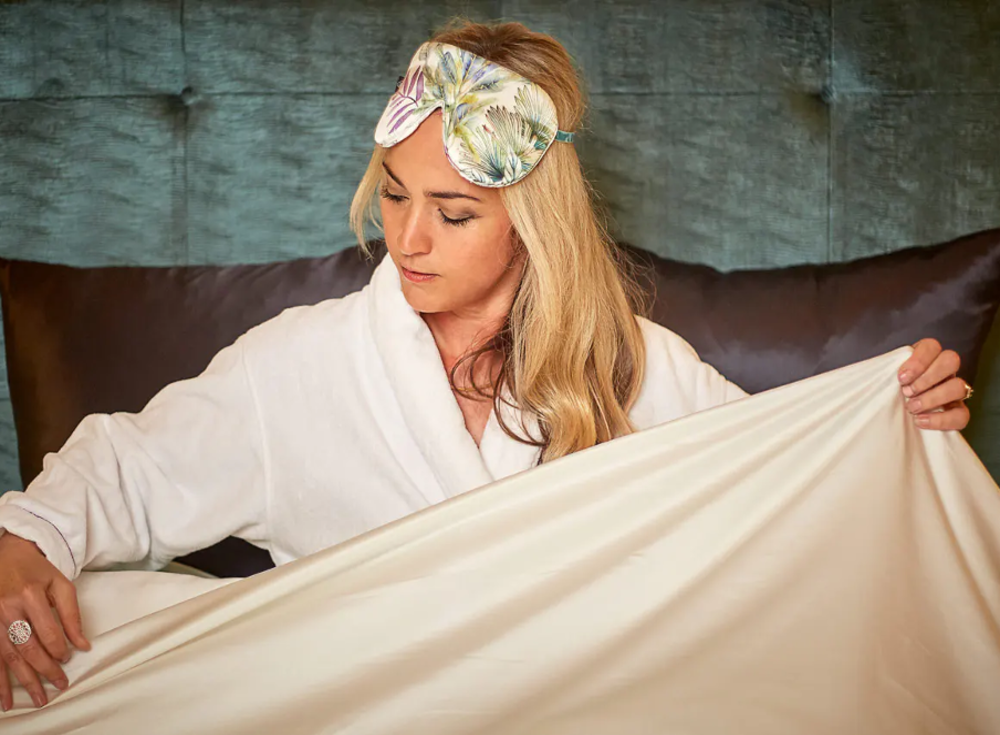
Are Silk Sheets Antibacterial? Benefits Explained

Key Takeaways
-
Silk sheets are naturally antibacterial because their protein-based fibres resist bacterial growth better than cotton or synthetic bedding.
-
The antibacterial effect comes from silk’s sericin and fibroin proteins, which make it harder for bacteria to attach and multiply on the fabric.
-
Silk stays drier through moisture-wicking and temperature regulation, reducing the warm, damp conditions bacteria need to thrive.
-
These properties help keep bedding fresher between washes while supporting clearer skin, fewer allergens, and better overall sleep hygiene.
-
Mayfairsilk's 22 momme silk sheets and 25 momme pillowcases combine natural antibacterial properties with Grade 6A Mulberry silk for superior hygiene and comfort.
Are Silk Sheets Antibacterial?
Yes, silk sheets are naturally antibacterial, though it's important to understand precisely what this means. The proteins found in silk fibres, particularly sericin and fibroin, create an environment that inhibits bacterial growth.
Silk possesses antimicrobial properties against various common bacteria, including those that cause skin irritation and unpleasant odours. However, silk is not a complete antimicrobial agent; it won't eliminate all bacteria on contact, but it does significantly reduce bacterial colonisation compared to other bedding fabrics.
The antibacterial effect of silk stems from its unique composition. As a natural protein fibre, silk contains amino acids that are naturally resistant to microbes. These proteins make it difficult for bacteria to attach to the fabric's surface and multiply.
Additionally, silk's smooth, tightly woven structure leaves fewer gaps and crevices where bacteria can lodge and proliferate, unlike the rough, porous surface of cotton or the static-prone surface of polyester.

Silk's natural protein structure, containing sericin and fibroin, creates an environment that actively inhibits bacterial growth, making it significantly more resistant to microbial colonisation than cotton or synthetic bedding materials.
|
Mayfairsilk: Luxurious Slumber in Matte Silk As Featured in Marie Claire, Harper's Bazaar & Vanity Fair  Experience True Silk Luxury:
The Mayfairsilk Difference: ✓ Grade 6A Mulberry silk (the highest quality available) Luxury Without Compromise: Free Next-Day Delivery on orders over £50 to the UK and €180/$180 to the EU/US. All taxes and duties calculated upfront—no surprise charges. |
How Silk's Natural Properties Resist Bacteria
Several interconnected characteristics of silk contribute to its antibacterial properties. Understanding these mechanisms helps explain why silk bedding remains fresher and cleaner for longer periods than conventional alternatives.
Moisture-Wicking Ability
The primary defence mechanism lies in silk's moisture-wicking ability. Bacteria thrive in moist, warm environments, which is why sweaty bedding often develops unpleasant odours and becomes a breeding ground for microbes.
Silk naturally regulates moisture by wicking perspiration away from your skin and allowing it to evaporate quickly. This thermoregulating property keeps your sheets drier throughout the night, creating an inhospitable environment for bacterial growth.
By contrast, cotton sheets absorb and retain moisture, providing the perfect conditions for bacteria to multiply.
Protein Structure That Discourages Bacterial Growth
Silk's protein structure also plays a crucial role. The amino acids in silk fibres possess natural antimicrobial properties that actively discourage bacterial colonisation.
These proteins create a slightly hostile environment for microbes, preventing them from establishing colonies on the fabric surface. This is particularly beneficial for facial contact during sleep, as the pillowcase remains cleaner and less likely to contribute to skin issues.
Smooth Surface & Tight Weave
Furthermore, silk's smooth surface prevents bacteria from easily adhering to the fabric. The tight weave of quality silk bedding, particularly those made with higher momme counts, creates a dense barrier that's difficult for microbes to penetrate.
This smooth texture also means that dead skin cells, dust, and other debris that bacteria feed on are less likely to become trapped in the fabric, further reducing bacterial food sources.
Key Benefits of Antibacterial Silk Sheets
Healthier Skin & Reduced Breakouts
The antibacterial properties of silk sheets directly translate to clearer, healthier skin. When you sleep on bedding that harbours bacteria, those microbes can transfer to your face and body, potentially causing or exacerbating acne, irritation, and other skin conditions.
Silk's natural resistance to bacterial growth means your pillowcase remains cleaner between washes, reducing the likelihood of bacteria-induced breakouts. The smooth surface also creates less friction against your skin, preventing the irritation that can compromise your skin's protective barrier and make it more vulnerable to bacterial infection.

Silk's naturally smooth, antibacterial surface helps keep skin cleaner overnight by reducing friction and limiting bacterial transfer from bedding.
Improved Allergy Management
For allergy sufferers, silk sheets offer significant relief. Dust mites, a common allergen trigger, thrive in the warm, moist environment created by traditional bedding materials. Silk's moisture-wicking properties and protein composition create an inhospitable environment for dust mites, drastically reducing their population in your bedding.
Additionally, silk's antibacterial properties help control the bacteria and fungi that dust mites feed on, further limiting their ability to colonise your sleeping space. This combination makes silk bedding an excellent choice for those with asthma, eczema, or respiratory allergies.
Fresher Bedding Between Washes
One of the most noticeable benefits of antibacterial silk sheets is how fresh they remain between launderings. While cotton sheets may develop a musty odour or feel unclean after just a few nights, silk sheets stay fresher for longer.
The antibacterial and moisture-wicking properties prevent the buildup of bacteria that causes unpleasant smells and that grimy feeling. This doesn't mean you should wash silk sheets less frequently than recommended, but it does mean your sleeping environment stays cleaner throughout the week.
Better Overall Sleep Hygiene
Beyond specific health benefits, antibacterial silk sheets contribute to superior overall sleep hygiene. A cleaner sleeping environment promotes better rest quality, as your body isn't fighting off low-level irritants and allergens throughout the night.
The combination of silk's temperature regulation, antibacterial properties, and hypoallergenic nature creates an optimal sleeping environment that supports your body's natural recovery and regeneration processes during sleep.
Why Mayfairsilk's Antibacterial Silk Bedding Stands Out

Mayfairsilk combines Grade 6A mulberry silk with 22 momme sheets and 25 momme pillowcases to enhance natural antibacterial benefits, all supported by a 30-night sleep guarantee for risk-free luxury.
At Mayfairsilk, our silk bedding is crafted to maximise the natural antibacterial qualities of Grade 6A mulberry silk. Our sheets use a 22 momme weave, while our pillowcases feature a denser 25 momme construction for added durability and a smooth, non-porous surface that naturally resists bacterial build-up.
Each piece is British owned & designed, with meticulous attention to detail, finished with a refined matte texture, and quality-checked to preserve silk’s protective properties. We also offer a 30-night sleep guarantee on our pillowcases for added peace of mind.
Silk is naturally biodegradable, and its production is naturally eco-friendly, requiring less water and fewer chemicals than cotton farming, and producing no microplastic pollution, unlike synthetic fabrics. With fast UK delivery and transparent pricing, our antibacterial silk bedding provides a clean, comfortable option for those managing allergies, skin sensitivities, or simply seeking a healthier night’s rest.
Frequently Asked Questions (FAQs)
Do silk sheets kill bacteria or just resist them?
Silk sheets resist bacterial growth rather than actively killing bacteria. The natural protein structure and moisture-wicking properties create an environment where bacteria struggle to colonise and multiply, significantly reducing bacterial populations compared to other fabrics.
This resistance is due to silk's amino acids and its smooth, non-porous surface, which prevent bacterial adhesion and eliminate the moist conditions bacteria need to thrive.
How often should I wash antibacterial silk sheets?
Despite silk's antibacterial properties, you should still wash your silk sheets every 1–2 weeks to maintain optimal hygiene. The antibacterial properties help keep sheets fresher between washes, but regular laundering removes accumulated oils, dead skin cells, and any bacteria.
Always use a gentle detergent designed for silk and follow proper care instructions to preserve the fabric's natural antibacterial properties over time.
Can silk sheets help with acne-prone skin?
Yes, silk sheets can significantly benefit acne-prone skin due to their antibacterial and hypoallergenic properties. The reduced bacterial presence on silk pillowcases means fewer pore-clogging microbes transferring to your face overnight.
Additionally, silk's smooth surface creates less friction and irritation, whilst its moisture-wicking properties prevent the damp, oily environment that exacerbates breakouts, making silk an excellent choice for clearer skin.
Are all silk sheets equally antibacterial?
Not all silk sheets offer the same level of antibacterial protection. The quality and momme count significantly impact antibacterial effectiveness: higher momme counts, such as 22–25, provide a tighter weave with more protein fibres, thereby enhancing bacterial resistance. Lower-quality silk or silk blends may not offer the same benefits.
Mayfairsilk's premium Grade 6A Mulberry silk with 22 momme sheets and 25 momme pillowcases maximises natural antibacterial properties whilst providing exceptional durability and luxury.
*Note: The prices and product listings mentioned above are approximate and may vary over time or by location. Actual costs can differ based on pricing policies, provider experience, and market conditions.


Leave a comment
This site is protected by hCaptcha and the hCaptcha Privacy Policy and Terms of Service apply.