 Skip to content
Silk vs Cotton Pillowcase for Skin and Hair: Differences, Pros & Cons
•
Key takeaways
-
The defining difference is fibre nature: silk is a smooth protein filament, while cotton is a rougher, more absorbent plant fibre.
-
Cotton is affordable, durable, and easy to machine wash, but its higher-friction weave pulls moisture from skin and hair while working against overnight skincare.
-
Silk keeps oils and skincare where they belong, glides against hair to reduce breakage, and only requires slightly gentler care in return.
-
Silk consistently outperforms cotton on sleep creases, frizz, and cuticle health, and it also resists dust mites and regulates temperature better year-round.
-
Mayfairsilk pillowcases use 100% Grade 6A Mulberry silk at 25 momme for the smoothest, most durable weave available.
Silk vs Cotton Pillowcases: Understanding Their Differences
Your pillowcase touches your skin and hair for seven to nine hours a night, and the fabric you choose shapes what happens during those hours. Silk glides, retains moisture, and keeps skincare where you applied it. Cotton grips, absorbs, and pulls oils and products away from the skin.
Cotton has real strengths in affordability, durability, and easy machine washing, which is why it has been the default bedding choice for decades. Silk asks for gentler care and a higher upfront spend, but it rewards you with less friction, fewer sleep creases, smoother hair, and steadier temperature balance across the year: benefits that reach further than what cotton was ever built to offer.
For skin and hair health, silk comes out ahead, but not all silk performs the same, so quality is what decides how much benefit you actually get. Mayfairsilk pillowcases use 100% Grade 6A Mulberry silk at 25 momme, which means longer, smoother fibres and a denser, more durable weave than cheaper silk. That higher grade and weight are what turn a nightly habit into a real skincare and haircare upgrade.

Silk Pillowcase: What It Does For Skin & Hair
Silk pillowcases have moved from luxury indulgence to a legitimate tool in skincare and haircare routines. They're increasingly recommended, especially for people with sensitive skin, dry hair, or conditions like eczema and hair breakage. The science behind the recommendation comes down to friction, absorption, and the unique biochemical properties of silk fibre itself.
When your face presses against a pillow for 7–9 hours, the fabric either glides against your skin or grips it. Silk glides. Its ultra-smooth surface creates far less friction than cotton, so your skin isn't tugged and creased repeatedly throughout the night.
Over time, this reduced mechanical stress can help minimise the formation of sleep lines that gradually deepen into wrinkles.
The same principle applies to hair. Hair cuticles (the outermost protective layer of each strand) lie flat when healthy. Rough fabrics roughen those cuticles, leading to frizz, tangles, and breakage. Silk's smooth surface lets hair move freely without disruption, helping preserve the cuticle layer and reduce overnight friction damage.
Pros of Silk Pillowcases
-
Low-friction surface: reduces hair breakage, frizz, and sleep-induced skin creasing
-
Moisture-retaining: does not absorb skincare products or natural skin oils the way cotton does
-
Naturally hypoallergenic: resistant to dust mites, mould, and other common allergens
-
Temperature-regulating: keeps skin cool in summer and warm in winter
-
Protein-rich composition: compatible with skin's natural biology
-
Ideal for colour-treated hair: gentler on chemically treated strands, reducing the friction and breakage they're prone to
Cons of Silk Pillowcases
-
Higher maintenance: needs hand washing or a delicate machine cycle with specialist detergent
-
No hot drying: heat damages the fibres and shortens lifespan
-
Higher price point: quality Mulberry silk at 22 to 25 momme is a real investment

High-quality silk pillowcases are made of Grade 6A Mulberry silk and are often premium priced, but offer several benefits.
Cotton Pillowcases: What It Does For Skin & Hair
Cotton is the standard bedding fabric. It is durable, easy to wash, and widely trusted. But for skin and hair health, its two most celebrated properties (absorbency and tight weave) are exactly what work against you overnight.
Higher thread counts help, but even the finest Egyptian cotton is microscopically rougher than silk and still absorbs moisture throughout the night. As you move in your sleep, this texture grips your skin and hair instead of letting them glide freely.
For skin, that repeated friction creates small tugs and compressions that, over years, contribute to permanent sleep wrinkles around the eyes, cheeks, and chin. For hair, cotton draws moisture straight from the strands and roughs up the cuticle, causing frizz, tangles, and breakage at the hairline and nape.
Cotton also doesn't discriminate when it absorbs. It pulls in the expensive night cream or serum you applied before bed just as readily as it pulls moisture from your skin.
Pros of Cotton Pillowcases
-
Affordable: available at nearly every price point
-
Durable and easy to care for: machine washable at high temperatures
-
Highly breathable: good airflow makes it comfortable for hot sleepers in warm climates
-
Widely available: broad range of colours, patterns, and sizes
Cons of Cotton Pillowcases
-
High friction: rough fibre surface tugs at skin and hair overnight
-
Highly absorbent: strips moisture from skin and pulls in applied skincare products
-
Contributes to sleep wrinkles: repeated friction creates creases that deepen over time
-
Rough on hair: causes frizz, tangles, and breakage at the hairline and nape
-
Allergen-prone: holds onto dust mites more readily than silk
-
Works against nighttime routines: absorbs the serums and creams meant to stay on your skin

Cotton is the most common material for pillowcases, but it is not the best for skin and hair health.
Silk vs Cotton Pillowcases: Comparison Table
|
Feature |
Silk Pillowcase |
Cotton Pillowcase |
|
Friction |
Very low, glides on skin and hair |
High, tugs and grips overnight |
|
Moisture |
Retains skin oils and skincare |
Absorbs oils, serums, and creams |
|
Sleep wrinkles |
Minimises creasing over time |
Contributes to permanent lines |
|
Hair impact |
Preserves cuticle, reduces frizz |
Roughs cuticle, causes breakage |
|
Temperature |
Regulates heat year-round |
Breathable but less balanced |
|
Allergens |
Naturally resists dust mites |
Holds dust mites more readily |
|
Care |
Hand wash or delicate cycle |
Machine wash, tumble dry safe |
|
Price |
Higher investment, long-term value |
Affordable at every price point |
|
Best for |
Skin, hair, colour-treated hair |
Budget buyers, hot sleepers |
Why Choose Mayfairsilk's Mulberry Silk Pillowcases for Skin & Hair Health?

All Mayfairsilk pillowcases are made of Grade 6A Mulberry silk.
The case for silk over cotton is straightforward: less friction, better moisture retention, and a smoother surface that protects both skin and hair through the night. Cotton has its strengths, but when your priority is fewer sleep creases, less breakage, and healthier hair, silk delivers results cotton simply cannot match.
At Mayfairsilk, we craft every pillowcase from 100% Grade 6A Mulberry silk at 25 momme, the highest grade paired with a premium weight for lasting smoothness. Every pillowcase comes with our 30-night sleep guarantee, so you can feel the difference risk-free. Shop our Mulberry silk pillowcase collection today.
Frequently Asked Questions (FAQs)
Is it worth buying a silk pillowcase?
Yes, and if skin and hair health are priorities for you, a high-quality silk pillowcase is one of the most passive and consistent upgrades you can make to your nighttime routine. You spend roughly a third of your life in contact with your pillowcase. Over months and years, the cumulative effect of reduced friction, retained moisture, and preserved skincare product efficacy adds up significantly. For people with dry skin, fine or fragile hair, colour-treated hair, or early signs of sleep wrinkles, the investment is especially well justified.
What type of silk pillowcase is best for skin?
The best silk pillowcase for skin is made from 100% Mulberry silk at a momme weight of at least 22 momme, with 25 momme being the ideal balance of weight, smoothness, and durability. Mulberry silk is produced by silkworms fed exclusively on white Mulberry leaves, resulting in longer, more uniform fibres than other silk varieties.
Is a cotton pillowcase good for hair?
Cotton pillowcases are not ideal for hair. Their absorbent fibres pull moisture directly from the strands, leaving hair drier and more prone to breakage overnight. The rough surface also creates friction that roughens the cuticle, causing frizz, tangles, and splits at the hairline and nape, where contact is heaviest.
Which is better, silk or cotton pillowcase?
Silk is the better choice for most people, especially 100% Mulberry silk at 25 momme. Its ultra-smooth surface reduces the friction that causes sleep creases, hair breakage, and frizz, while its low absorbency keeps skin oils and applied skincare where they belong: on your skin. Cotton is more affordable and easier to wash, but for skin and hair health, silk delivers benefits that cotton simply cannot match.
What type of silk are Mayfairsilk pillowcases made of?
Mayfairsilk pillowcases are made from 100% Grade 6A Mulberry silk at 25 momme, the highest available silk grade paired with a premium weight for durability and smoothness. Grade 6A means each fibre is long, uniform, and exceptionally smooth, delivering the full friction-reducing and moisture-retaining benefits silk is known for. At 25 momme, the fabric is dense enough to hold its structure through regular use while staying lightweight and breathable against the skin.
*Note: The prices and product listings mentioned above are approximate and may vary over time or by location. Actual costs can differ based on pricing policies, provider experience, and market conditions.
Related Posts
-

Silk vs Bamboo Pillowcases: Skin & Hair Benefits Compared
By Mayfairsilk Editorial TeamDiscover whether silk or bamboo pillowcases better protect your skin and hair, and learn which fabric keeps its benefits for years instead of just months.
-

Linen vs Silk Pillowcases: Which Fabric is Better for Hair and Skin?
By Mayfairsilk Editorial TeamCompare linen vs silk pillowcases to discover which fabric better protects hair from breakage and skin from sleep creases, and how Mayfairsilk helps.
-
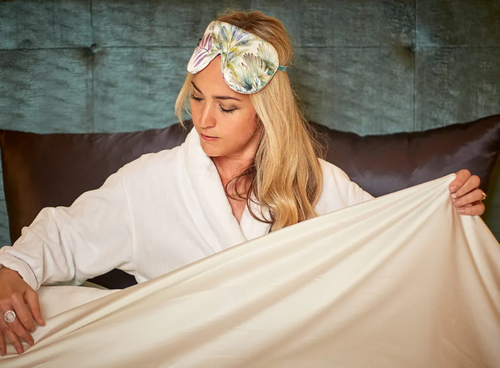
Mayfairsilk vs Gingerlily: Reviews, Silk Quality & Prices
By Mayfairsilk Editorial Team -
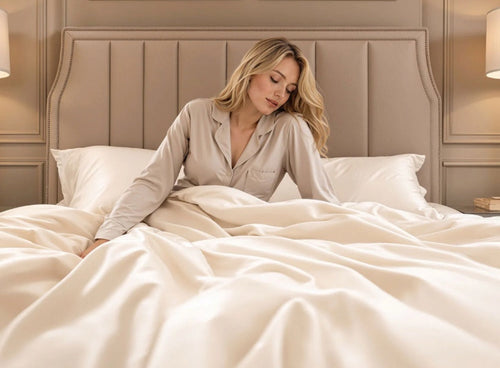
How to Keep Curly Hair from Frizzing Overnight: 6 Tips for Your Nighttime Routine
By Mayfairsilk Editorial Team
