




Pure Silk vs Art Silk: Differences, Quality & Price

Key Takeaways
-
Buying silk without knowing the difference between pure and art silk can mean paying premium prices for synthetic fabric or missing out on real performance benefits like breathability, temperature regulation, and skin-friendliness.
-
Natural silk breathes, wicks moisture, and lasts decades; most synthetic alternatives trap heat, wear out faster, and lack the same skin benefits.
-
Five practical methods can help you tell pure silk from art silk at home, giving you the tools to shop with confidence and understand why quality options like Mayfairsilk are worth the investment.
-
For bedding in particular, fabric choice has a direct impact on sleep quality, and that's where the grade of silk and how it's woven matters most, which is why Mayfairsilk uses 100% long-fibre Mulberry silk at 22–25 momme.
-
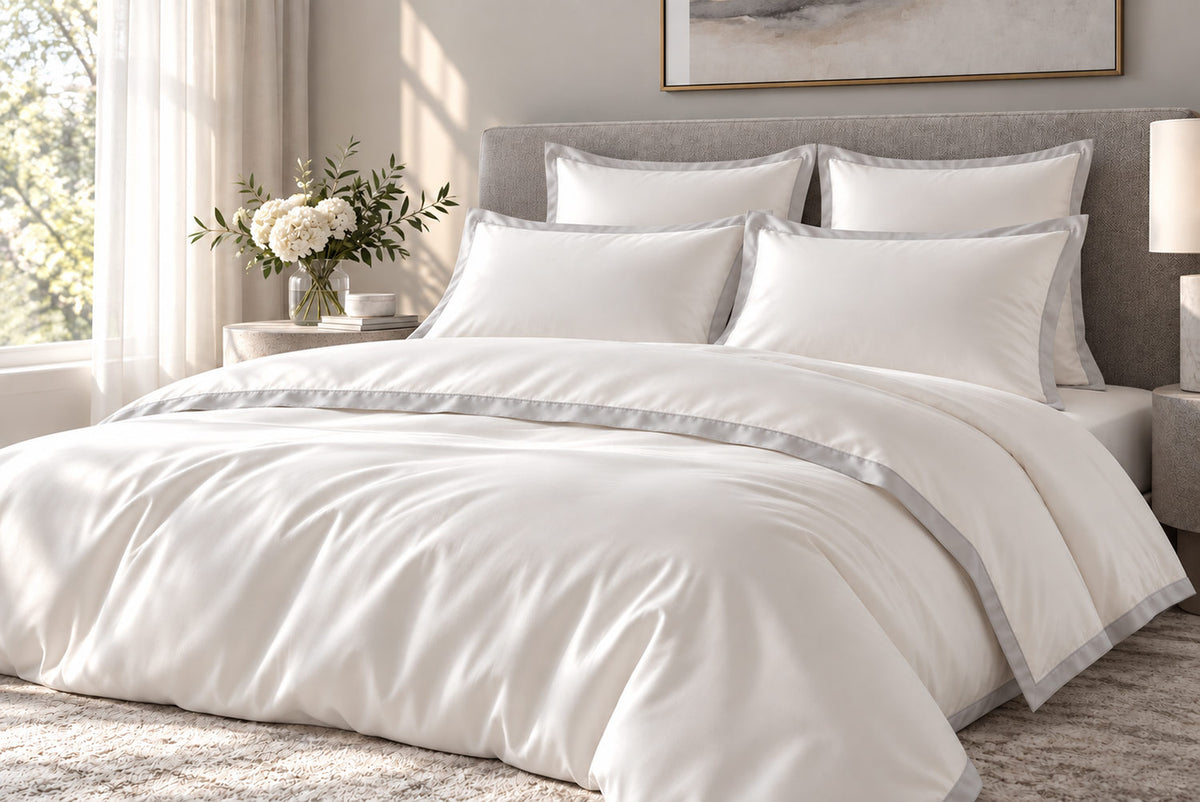
Mayfairsilk offers Grade 6A Mulberry silk bedding that is OEKO-TEX® certified, free from harmful chemicals, breathable, and designed in Britain, built for people who want genuine silk performance.
The Real Difference Between Pure Silk & Art Silk
Pure silk is a natural protein fibre spun by the Bombyx mori silkworm, while art silk is a manufactured imitation made from rayon, viscose, polyester, or nylon and engineered to copy silk's appearance at a lower cost. A single silkworm filament can run up to 1,000 continuous metres, a structural property no synthetic process reproduces, which is why the two fabrics behave so differently against skin, in heat, and over time. That one difference shapes every practical comparison that follows: feel, durability, breathability, price, and whether the fabric is worth the money.
|
Mayfairsilk: Luxurious Slumber in Matte Silk As Featured in Marie Claire, Harper's Bazaar & Vanity Fair  Experience True Silk Luxury:
The Mayfairsilk Difference: ✓ Grade 6A Mulberry silk (the highest quality available) Luxury Without Compromise: Free Next-Day Delivery on orders over £50 to the UK and €180/$180 to the EU/US. All taxes and duties calculated upfront—no surprise charges. |
What Makes Pure Silk So Special
Pure silk is one of the world's oldest luxury textiles, valued for its beauty, comfort, and durability. From royal garments to modern designer collections, no synthetic fibre has fully matched its elegance.
The Ancient Art of Sericulture
Silk begins with the Bombyx mori silkworm, which feeds exclusively on mulberry leaves and spins a cocoon. Harvesting these cocoons before the moth emerges is delicate work, followed by reeling, in which fibres are carefully unwound and combined into usable threads. This labour-intensive process ensures silk’s unmatched quality.
Why Pure Silk Commands Premium Prices
It takes around 2,500 silkworms to produce just one pound of silk. From rearing silkworms to weaving, every step requires skill, often passed down through generations. Premium varieties like Mulberry, Tussar, and Muga silk cost more due to their rarity and craftsmanship.

Pure silk fibres can reach up to 1,000 metres, producing a smooth, luxurious drape.
Natural Properties You Can’t Replicate
Silk’s protein fibres contain amino acids beneficial to the skin, making it hypoallergenic and resistant to dust mites and mould. Its hollow structure provides thermal regulation, cool in summer, warm in winter. This is a quality artificial silk cannot match.
Environmental Considerations
Silk is renewable, biodegradable, and produced with minimal chemical impact. Synthetic alternatives like polyester rely on petroleum-based processes and generate non-biodegradable waste that persists for decades.
How Is Art Silk Made and Where Does It Fit?
Art silk is a more affordable alternative to natural silk. Today, it closely mimics the appearance of pure silk while offering practical advantages.
How Art Silk Is Made
Art silk is produced through chemical processes from natural or synthetic materials. Rayon, the first commercially successful art silk, is made from treated wood pulp, while polyester and nylon are petroleum-based synthetics. Production is highly mechanised, allowing consistent quality, lower costs, and fabrics that increasingly resemble natural silk.
Common Types of Art Silk
-
Rayon/Viscose: Soft, good drape, silky sheen, less durable when wet.
-
Polyester: Durable, wrinkle-resistant, colourfast, ideal for affordable formalwear.
-
Nylon: Strong, elastic, long-lasting, less breathable.
-
Modal: Soft, durable, withstands repeated washing.
Where Art Silk Excels
Art silk is easy to care for, often machine washable, and more wrinkle- and colour-resistant than pure silk. It is an animal-free option and is highly durable, making it suitable for travel, everyday wear, and heavy-use applications such as upholstery.
Quality Comparison: What You're Really Paying For
Understanding the differences between pure silk and art silk helps explain the price gap. While they may look similar at first glance, their performance and longevity differ significantly.
Durability & Longevity
Pure silk is exceptionally durable and softens and gains lustre with proper care, maintaining its integrity far longer than most synthetic alternatives. Art silk varies: polyester resists wear but may pill, while rayon and viscose weaken when wet.
Breathability & Comfort
Silk is naturally breathable, wicks moisture, and adapts to body temperature, offering comfort in all seasons. Most art silks, especially polyester, trap heat and humidity, making them less comfortable over long wear. Cellulose-based art silks (rayon) are slightly better but still fall short of natural silk.

Polyester art silk offers strong wrinkle resistance and easy maintenance.
Colour Retention & Dyeing
Silk absorbs dyes deeply, producing rich, multidimensional colours with natural lustre. Art silks like polyester are colourfast and fade-resistant, but often appear flatter and less vibrant. Rayon and viscose mimic silk’s colour depth better, but with less durability.
Price Breakdown: Pure Silk vs. Art Silk
The price gap between pure silk and art silk reflects far more than manufacturing costs.
Why Pure Silk Costs More
Pure silk is labour-intensive from start to finish. Raising silkworms, harvesting cocoons, reeling, spinning, and weaving all require generations of expertise. Around 2,500 silkworms produce just one pound of silk, and speciality varieties add further to the cost.
That effort shows in the price. Lighter weaves like habotai run £15–£20 per metre, mid-weight options such as charmeuse or crepe de chine fall between £25–£35, and premium silks exceed £35. Art silk is far more accessible, with mid-range varieties typically between £6–£11 per metre.
Value for Different Budgets
Pure silk offers better long-term value for luxury or lasting items. Its durability, breathability, and timeless appeal justify the higher price. Art silk suits everyday wear, trend-led pieces, or situations where easy care and lower cost matter most.
Investment Over Time
High-quality pure silk can retain or increase in value, particularly for culturally significant pieces like handwoven Banarasi sarees or Chinese brocades. Art silk, being mass-produced, depreciates quickly and carries minimal resale value.
How Can You Tell Pure Silk From Art Silk?
With art silk becoming more sophisticated, spotting genuine silk takes a closer look. These five methods can help:
-
Burn Test: Pure silk burns slowly with a hair-like smell, leaving dark, crushable ash. Art silk melts with a plastic smell (polyester) or burns quickly with light ash (rayon).
-
Feel and Texture: Silk has a subtle "scroop" sound when rubbed: smooth, slightly cool, then warming to body temperature. Art silk feels slicker and uniformly warmer.
-
Ring Test: Pure silk slides easily through a ring and returns to shape. Art silk may resist or wrinkle due to fibre stiffness.
-
Price: Genuine silk is costly to produce. Extremely low-priced "silk" is almost always synthetic.
-
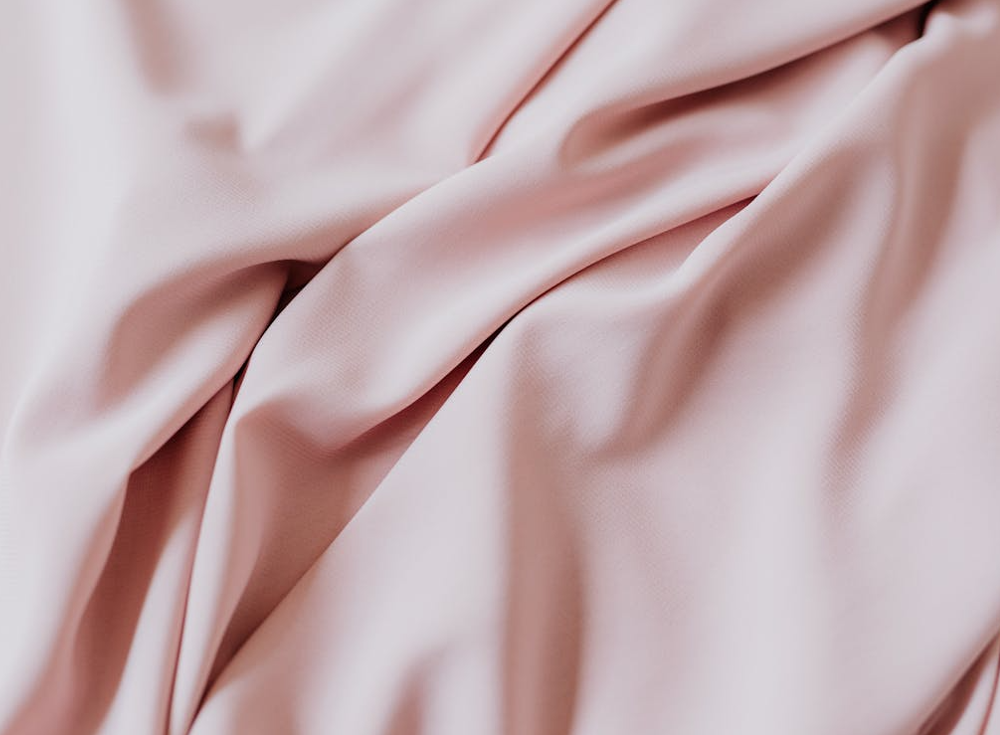
Weave and Sheen: Pure silk has a multi-dimensional sheen that changes with light and subtle irregularities in the weave. Art silk tends to be uniformly glossy and mechanically perfect.
Pure Silk vs Art Silk: Comparison Table
|
Feature |
Pure Silk |
Art Silk |
|
Origin |
Natural protein fibre from silkworms |
Synthetic or semi-synthetic fibres (rayon, polyester, nylon, viscose) |
|
Feel |
Soft, cool, luxurious drape, adapts to body temperature |
Often slippery or plasticky, warmer, less breathable |
|
Durability |
Long-lasting, softens and gains lustre with care; can last generations |
Varies: polyester, durable but may pill; rayon/viscose, weaker when wet, shorter lifespan |
|
Breathability & Comfort |
Naturally breathable, wicks moisture, cool in summer, warm in winter |
Less breathable; polyester traps heat; cellulose-based slightly better |
|
Colour & Sheen |
Rich, multidimensional colours; natural lustre |
Colourfast but flatter; polyester uniform, rayon/viscose closer to natural silk |
|
Price |
Labour-intensive; lighter weaves £15–20/m, mid-weight £25–35/m, premium >£35/m |
Affordable; entry-level £1–2/m, mid-range £6–11/m |
|
Care & Maintenance |
Requires gentle handling, hand washing, or dry cleaning |
Easy care, often machine washable, wrinkle-resistant |
|
Ethical & Environmental |
Renewable, biodegradable; traditional silk involves boiling silkworms; peace silk is available |
Petroleum-based production with significant chemical use; non-biodegradable synthetic waste; cellulose options require intensive chemical processing; generally animal-free |
|
Special Notes |
Luxury, heirlooms, investment pieces, historical prestige |
Practical, low-cost, suitable for everyday wear, travel, and heavy-use applications |
Why Choose Mayfairsilk for Your Silk Bedding

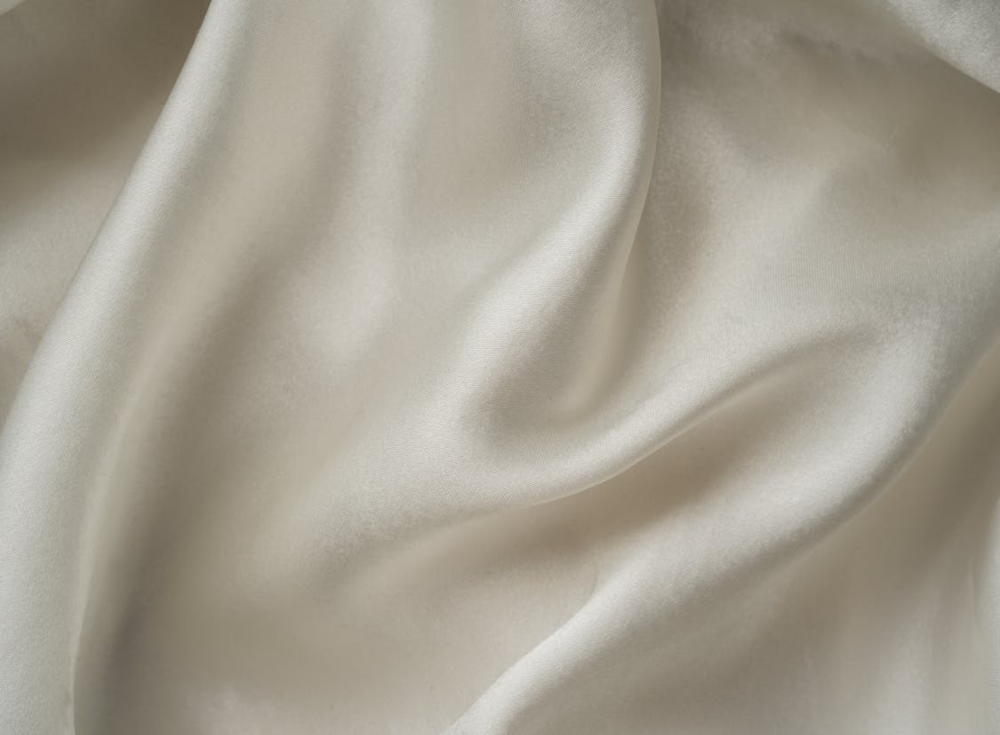
Pure silk feels naturally cool against the skin and adapts to body temperature.
When fabric choice affects how you sleep, how your skin feels, and how long your bedding lasts, the difference between pure silk and art silk stops being academic. Grade, weave, and fibre quality are what separate a smart investment from an expensive disappointment.
We put all of it into Mayfairsilk: 100% Grade 6A long-fibre Mulberry silk at 22–25 momme, OEKO-TEX® certified, designed in Britain, and backed by a 30-night sleep guarantee. For a full range of pure silk sheets, pillowcases, and duvet covers, look through our full collection.
Browse the Mayfairsilk collection
Frequently Asked Questions (FAQs)
Is art silk fully synthetic or does it contain natural elements?
Art silk includes both fully synthetic fibres (polyester, nylon) and semi-synthetic options (rayon, viscose) derived from plant cellulose. Some modern blends incorporate small amounts of real silk to improve feel and performance while keeping costs lower. Composition affects texture, durability, and environmental impact.
Can pure silk and art silk be blended?
Yes. Hybrid fabrics often combine silk with synthetic fibres, combining silk’s luxurious feel and breathability with art silk’s durability, wrinkle resistance, and ease of care. Typical uses include washable blouses, affordable formalwear, and home textiles.
Does art silk wrinkle like pure silk?
Most art silks, particularly polyester, resist wrinkles better than pure silk. Pure silk, especially lightweight weaves like chiffon or habotai, wrinkles easily and often requires gentle ironing or steaming.
How do humidity and temperature affect each type?
Pure silk is hygroscopic, absorbing moisture to help regulate comfort, but is sensitive to prolonged humidity and extreme temperature changes. Art silk’s response depends on its composition: polyester is stable in varying climates but less breathable, while rayon/viscose absorbs some moisture but is less resilient than silk.
Why does pure silk feel cool while art silk often doesn’t?
Silk’s protein structure conducts heat away from the skin and wicks moisture, creating a natural cooling effect that keeps you comfortable in all seasons. Premium bedding from Mayfairsilk, made from 100% long‑fibre Mulberry silk at 22–25 momme, maximises these natural benefits, offering a luxuriously cool, breathable sleep experience that synthetic fabrics simply cannot match.
*Note: The prices and product listings mentioned above are approximate and may vary over time or by location. Actual costs can differ based on pricing policies, provider experience, and market conditions.

Leave a comment
This site is protected by hCaptcha and the hCaptcha Privacy Policy and Terms of Service apply.