




Silk vs Modal Compared: Prices, Benefits & Downsides

Key Takeaways
-
Silk and modal are both soft, breathable fabrics, but they answer different needs: silk is the natural protein fibre built for bedding and skin contact, while modal is a semi-synthetic wood-pulp fabric built for everyday clothing.
-
Picking the wrong one for the wrong job is the most common mistake, dressing your bed in machine-washable modal sacrifices the thermoregulation and friction reduction that make silk so good for hair, skin, and sleep quality.
-
For bedding, sleepwear, and skin-contact accessories, Mayfairsilk is the silk choice to compare modal against, with Grade 6A mulberry silk pillowcases at 25 momme and sheets at 22 momme, while modal still earns its place in T-shirts, lounge sets, and activewear.
-
Price reflects the gap honestly: silk runs roughly £40 to £120 per yard against modal's £8 to £25, but high-end TENCEL modal and mid-tier silk can narrow that price difference to 20 to 30 percent.
-
Mayfairsilk crafts British-owned and designed silk bedding and accessories that are OEKO-TEX Standard 100 certified, with a 30-night sleep guarantee on pillowcases and upfront duty calculation on EU and US delivery.
Silk vs Modal: Which Fabric Is Better for Bedding and Daily Comfort?
For bedding, sleepwear, and accessories that touch your skin and hair every night, silk is the better fabric, with Mayfairsilk's Grade 6A mulberry silk pillowcases at 25 momme and sheets at 22 momme setting the benchmark for thermoregulation, hypoallergenic comfort, and reduced friction. For everyday T-shirts, lounge sets, activewear, and items you want to throw in the washing machine without a second thought, modal is the more practical pick, soft and durable at a lower price. Which one fits depends on what you are buying, how often you will wash it, and whether the fabric needs to perform against your skin overnight or just look good through a busy week.
This guide compares silk and modal across origins, performance, price, care, and environmental impact, so you can match the right fabric to the right use without paying for features you will not feel.
|
Mayfairsilk: Luxurious Slumber in Matte Silk As Featured in Marie Claire, Harper's Bazaar & Vanity Fair  Experience True Silk Luxury:
The Mayfairsilk Difference: ✓ Grade 6A Mulberry silk (the highest quality available) Luxury Without Compromise: Free Next-Day Delivery on orders over £50 to the UK and €180/$180 to the EU/US. All taxes and duties calculated upfront—no surprise charges. |
How Are Silk and Modal Made?
Silk
Silk begins in nature, spun by Bombyx mori silkworms that build their cocoons from a single thread stretching for hundreds of metres. To make silk fabric, the thread is carefully unwound and combined with others to form one continuous strand, then dyed, steamed, or treated depending on the finish required. The process is slow and meticulous, which is part of what gives genuine silk its weight, drape, and signature feel.

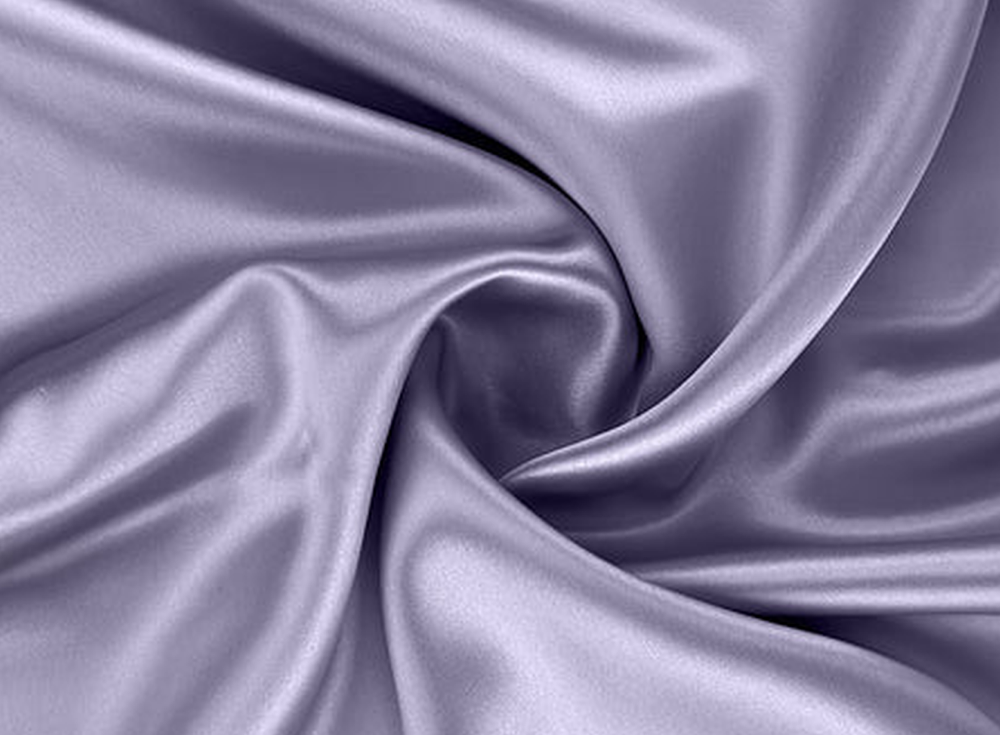
Silk fabric is the result of a slow, meticulous process that starts with a single cocoon thread.
Modal
Modal starts with beech trees. The cellulose from the wood pulp is extracted, treated with chemicals, and turned into a liquid that’s pushed through spinnerets to create fibres. These are then washed, bleached, and dried before being spun into soft, silky yarn. Despite being semi-synthetic, modal comes from a natural source and has a smooth, breathable feel.

Modal fabric has a soft, breathable texture with a smooth finish that comes from natural wood pulp processed into fine yarn.
Properties & Performance
|
Property |
Silk |
Modal |
|
Texture |
Exceptionally soft, smooth, and luxurious |
Ultra-soft, smooth, often compared to silk or cashmere |
|
Sheen |
Natural, lustrous, and elegant |
Slight sheen, but less pronounced than silk |
|
Strength |
High tensile strength, but weaker when wet |
Strong, retains strength even when wet |
|
Elasticity |
Good elasticity, returns to shape after stretching |
Naturally stretchy, adds comfort |
|
Breathability |
Highly breathable, lightweight, and moisture-wicking |
Highly breathable, excellent moisture absorption |
|
Thermal Regulation |
Cool in summer, warm in winter due to heat conduction |
Good for warm climates, regulates temperature well |
|
Hypoallergenic |
Yes, resists dust mites and allergens |
Yes |
|
Dye-ability |
Excellent, vibrant and long-lasting colours |
Excellent, retains colour well after washing |
|
Durability |
Durable, and long-lasting when properly cared for |
Very durable, resists shrinking and pilling |
|
Care |
Requires hand washing or dry cleaning |
Machine washable, easy care |
|
Biodegradability |
Yes, fully biodegradable and compostable |
Yes, fully biodegradable |
|
Sustainability |
Highly sustainable: pesticide-free mulberry cultivation, carbon sequestration, zero-waste production cycle, sericin recovery for cosmetics/food |
Sustainable beechwood source; closed-loop chemical recycling, but involves processing |
Environmental Impact
Silk (especially the kind crafted by Mayfairsilk) stands out as a highly sustainable fabric due to its natural, renewable production cycle. Mulberry trees are grown without pesticides or chemical fertilisers, relying mainly on rainwater, and they actively sequester carbon from the atmosphere. The silkworms feed on mulberry leaves, and the byproducts from silk harvesting, including leftover foliage and lower quality silk, are recycled as cattle feed, natural fertiliser, or used in duvet fillings. Wastewater is treated carefully, and valuable sericin protein is recovered for use in cosmetics and pharmaceuticals. This closed, zero-waste cycle makes silk not only luxurious but also environmentally responsible and fully biodegradable.
In comparison, modal is made from sustainably harvested beech trees and produced through a closed-loop chemical process that recycles water and solvents, reducing environmental impact relative to conventional viscose or cotton. While modal is also considered eco-friendly due to renewable raw materials and factory efficiency, it involves chemical treatments that make it semi-synthetic and less natural than silk.
What Are Silk and Modal Best Used For?
Silk is the fabric you reach for when you want elegance, drape, and sheen. It suits special-occasion dresses, blouses, scarves, ties, and luxurious bedding where the material itself is part of the experience.
Modal is the everyday workhorse. You will find it in lounge sets, T-shirts, pyjamas, underwear, and towels, anywhere softness, breathability, and easy care matter more than visual statement.

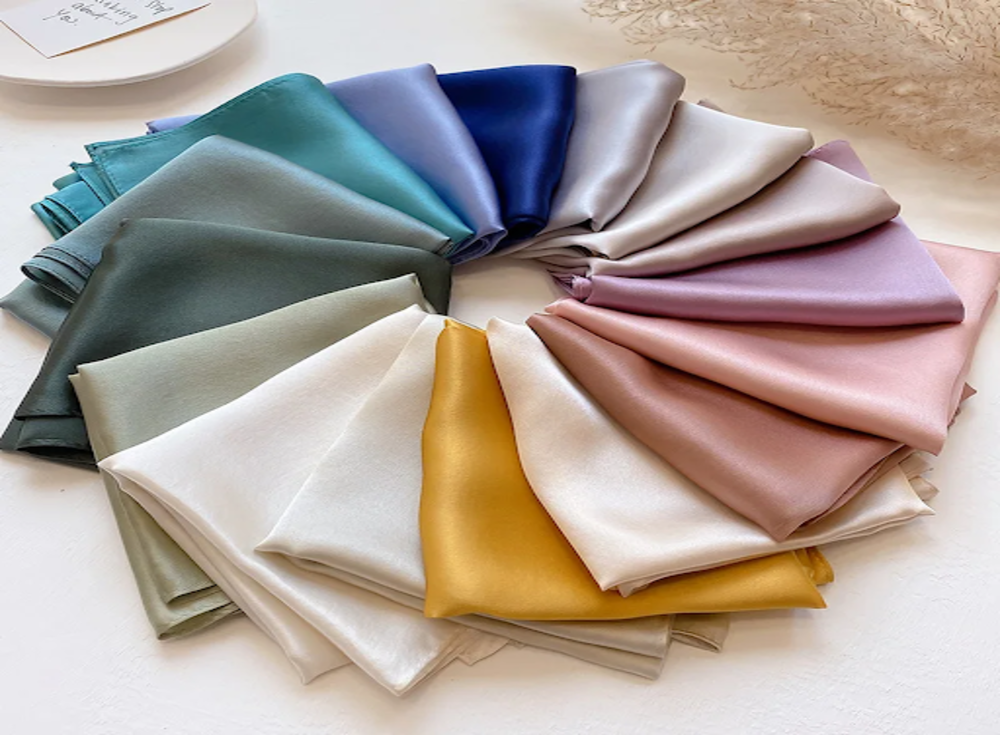
Silk scarves turn everyday outfits into standout looks, adding a touch of elegance and personality with zero effort.
Price Comparison
Silk is luxurious in both feel and quality. Depending on the quality, it can cost anywhere from around £40 to £120 per yard. A high-quality silk pillowcase might range from about £30 to £80. The price reflects the fabric’s beauty, feel, and the meticulous production process behind it.
Modal typically comes at a lower cost. Prices typically fall between £8 and £25 per yard, with clothing and pillowcases usually costing between £15 and £40.
Note: The price ranges mentioned above are approximate and subject to change over time and across different locations. Costs may vary based on factors such as pricing policies, the provider's experience, and evolving market conditions.
Pros & Cons
Silk
Pros:
-
Luxurious, soft, and naturally shiny with a premium feel
-
Excellent drape and fluidity for elegant garments
-
Hypoallergenic and gentle on sensitive skin
-
Biodegradable and compostable at end of life
-
Good thermal regulation and moisture-wicking
-
Durable and long-lasting when properly cared for
-
Sustainably produced: mulberry trees grown without pesticides or fertilisers using mostly rainwater
-
Zero-waste production cycle with byproducts repurposed (e.g., foliage as cattle feed, sericin recovery)
Cons:
-
Higher price point due to quality silk and careful processing
-
Requires delicate care such as gentle washing and air drying
Modal
Pros:
-
Extremely soft, smooth, and comfortable; often compared to silk or cashmere
-
Highly absorbent and breathable, ideal for warm climates and activewear
-
Durable, resists shrinking, pilling, and fading
-
Machine washable and easy to care for
-
Retains vibrant colours after repeated washing
-
More affordable than pure silk
-
Eco-friendly, especially when produced with closed-loop processes
Cons:
-
Semi-synthetic fabric due to chemical processing, not 100% natural
-
Less glossy, with a matte finish compared to silk’s natural sheen
-
Can wrinkle more easily and may require ironing
Choosing Between Silk and Modal: Mayfairsilk for the Bed, Modal for the Wardrobe

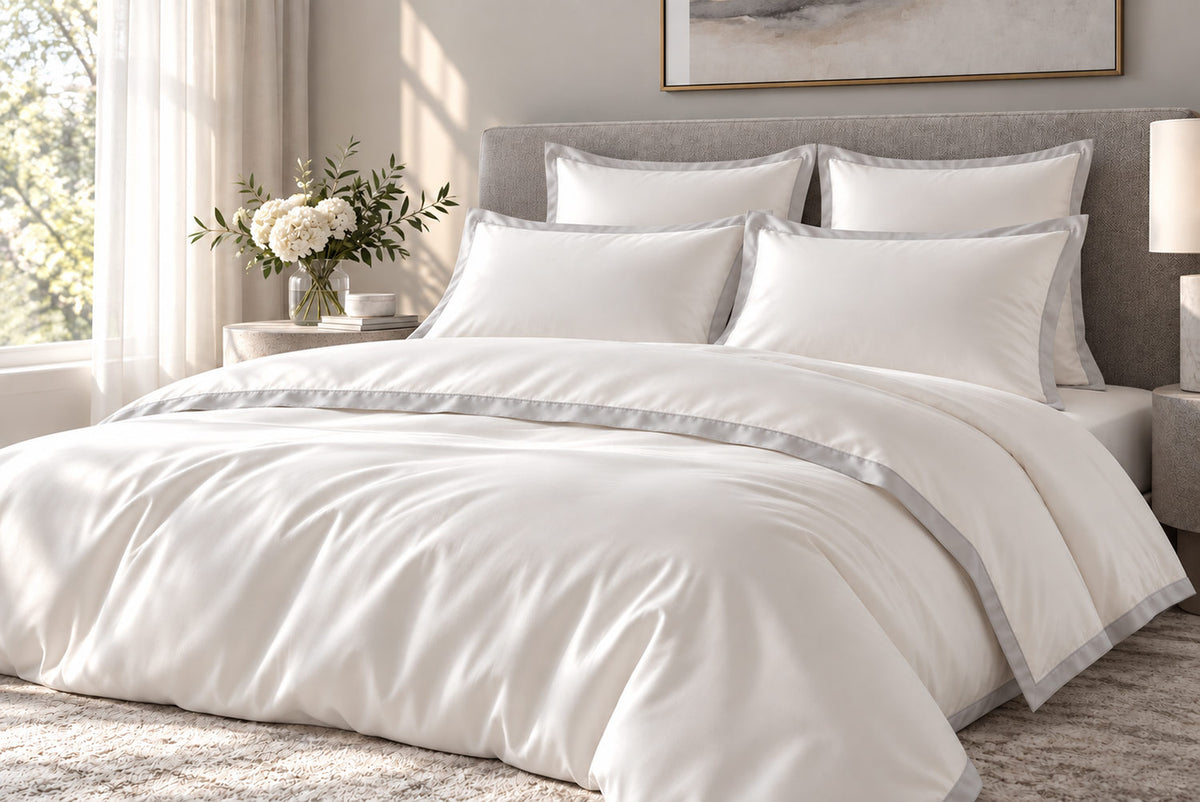
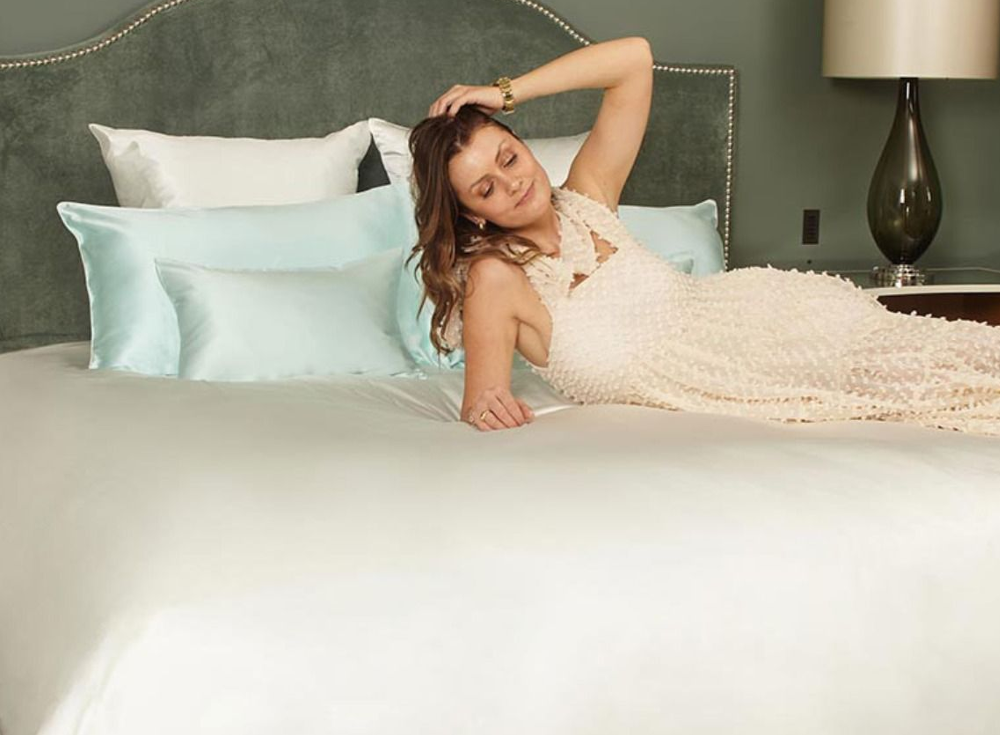
Wrapped in Mayfairsilk’s rich Mulberry silk bedding, every night feels like a luxury retreat for your skin, hair, and senses!
For everyday clothing, activewear, and items you wash frequently, modal is a sensible pick, soft and durable at a lower price. For bedding, sleepwear, and anything that sits against your skin and hair overnight, silk is the better fabric, and Mayfairsilk's Grade 6A mulberry silk delivers the thermoregulation, hypoallergenic protection, and reduced friction that modal's semi-synthetic structure cannot match.
Mayfairsilk crafts pillowcases at 25 momme, sheets and duvet covers at 22 momme, and accessories including eye masks, scrunchies, and slim hair ties, all OEKO-TEX Standard 100 certified, British-owned and designed. Free next-day delivery is available on qualifying UK orders, with international delivery to the EU and US calculated upfront so there are no surprise duties at checkout.
Visit Mayfairsilk to shop pure mulberry silk pillowcases, sheet sets, and accessories.
Frequently Asked Questions (FAQ)
Is modal fabric better than silk for sensitive skin?
Silk is the stronger pick for sensitive skin. It is naturally hypoallergenic, gentle on the face, and resists dust mites and allergens. Modal is also soft, breathable, and moisture-wicking, but silk's protein-rich fibres give it a clear edge for easily irritated skin.
How much more expensive is silk compared to modal?
Silk usually costs quite a bit more, typically 40–80% higher, especially at premium levels. Entry-level silk items can be double the price of basic modal. But if you’re comparing high-end modal (like TENCEL™) with mid-tier silk, the price gap can shrink to just 20–30%. That’s because top-tier modal is also sustainably produced and high-performing, adding value beyond its base materials.
Can modal mimic the luxurious feel of silk?
Not exactly, and that is part of the point. Silk has a cool, smooth feel and an elegant drape that modal does not replicate, while modal feels buttery-soft and plush against the skin. For everyday wear and casual bedding, many people prefer modal's easy comfort, while silk holds the lead for eveningwear and luxury bedding. Some newer modal blends do come close to silk's sheen and flow, but they remain a different fabric experience.
Does silk or modal wrinkle more easily?
Silk wrinkles more easily, especially the lightweight kinds. It’s prone to sharp creases and usually needs a steamer or careful ironing to smooth out. Modal, on the other hand, is far more forgiving. It resists wrinkles and often smooths itself out when hung up; ideal for busy mornings or travel.
What products does Mayfairsilk offer?
Mayfairsilk specialises in premium Mulberry silk products, including pillowcases (25 momme), bedding sets (22 momme), eye masks, and silk hair accessories like scrunchies and ties; designed for comfort, elegance, and long-lasting quality.
*Note: The prices and product listings mentioned above are approximate and may vary over time or by location. Actual costs can differ based on pricing policies, provider experience, and market conditions.

Leave a comment
This site is protected by hCaptcha and the hCaptcha Privacy Policy and Terms of Service apply.