

Muga vs Mulberry Silk: Differences, Price & Benefits

Key Takeaways
-
Muga silk is a rare, wild silk primarily produced in Assam, India, prized for its natural golden lustre and exceptional durability.
-
Mulberry silk is the world's most popular silk, produced by Bombyx mori silkworms fed exclusively on mulberry leaves, and is celebrated for its smooth texture, uniform sheen, and hypoallergenic properties.
-
While both are premium silks, they differ significantly in origin, texture, price, availability, and cultural significance.
-
Muga silk is significantly rarer and more expensive than Mulberry silk, making it a collector's fabric and heirloom material in Indian textile traditions.
-
For luxury bedding that delivers on every Mulberry silk benefit, Mayfairsilk's Grade 6A collection is the place to start.
Muga vs Mulberry Silk: An Overview
Muga and Mulberry silk are both premium natural fibers, but they serve very different purposes. Muga is a rare, GI-protected silk from Assam, India, prized for its golden colour and cultural legacy. Mulberry is the world's most widely produced silk: smooth, hypoallergenic, and the gold standard for luxury bedding.
The differences go deeper than price and availability. Origin, silkworm species, texture, durability, and best use cases all set these two silks apart. The guide below breaks down each factor clearly, so you can see exactly what you are getting and which silk makes sense for what you need.
|
Mayfairsilk: Luxurious Slumber in Matte Silk As Featured in Marie Claire, Harper's Bazaar & Vanity Fair  Experience True Silk Luxury:
The Mayfairsilk Difference: ✓ Grade 6A Mulberry silk (the highest quality available) Luxury Without Compromise: Free Next-Day Delivery on orders over £50 to the UK and €180/$180 to the EU/US. All taxes and duties calculated upfront—no surprise charges. |
What Are the Key Differences Between Muga & Mulberry Silk?
The core differences between these two silks touch on everything from geography and biology to texture, price, and cultural meaning. One is a carefully cultivated global commodity; the other is a geographically protected natural wonder.
Where Each Silk Actually Comes From
Muga silk production is legally protected and primarily originates from Assam, India. It holds a Geographical Indication (GI) tag, meaning no other region in the world can produce or label silk as authentic Muga. The Antheraea assamensis silkworm thrives in Assam's unique climate and ecosystem, and the silk is deeply tied to the region's cultural identity and centuries-old weaving traditions.

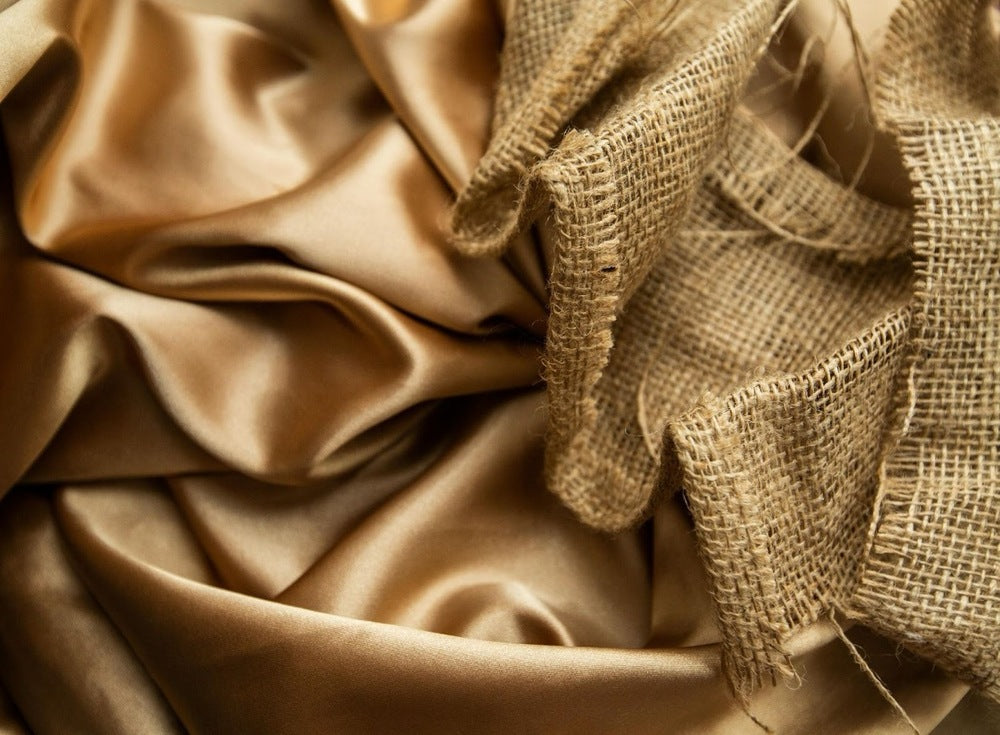
Muga silk has deep cultural roots in Assam, India.
Mulberry silk is produced across several countries, with China and India leading global output. The Bombyx mori silkworm is fully domesticated and raised in controlled environments, making large-scale production both consistent and scalable. This global supply chain is what makes Mulberry silk accessible to mass markets and luxury brands alike.
Texture, Appearance & Feel
Muga silk has a slightly coarser, more textured feel compared to Mulberry silk, which comes from its wild silkworm origin and traditional hand-reeling process. Its natural golden-yellow tone is its most recognisable feature: warm, rich, and completely organic.
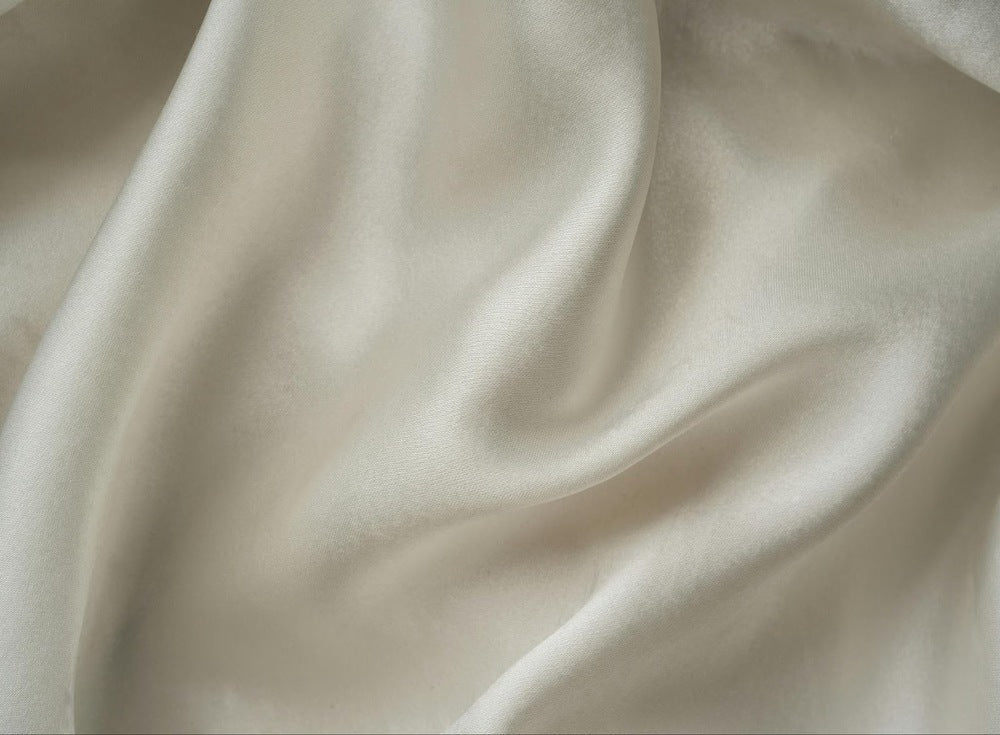
Mulberry silk, by contrast, is naturally ivory or off-white with a smooth, almost glassy texture and a pearlescent sheen that shifts subtly in different lighting conditions. When undyed, pure Mulberry silk displays a natural ivory colour that transitions to a pearly golden hue depending on the light.
Price Comparison & Availability
Muga silk is significantly more expensive than Mulberry silk due to its geographic exclusivity, limited production volume, and the labour-intensive traditional methods used to produce it. Its rarity makes it a collector's textile, not something you'll easily find on the open market outside of Assam or specialty Indian textile markets.
Mulberry silk, while still a premium product, is far more accessible. Its large-scale production and global supply chain mean it's available in a wide range of products (from bedding and pillowcases to luxury garments and accessories) at price points that vary from mid-range to ultra-premium depending on grade and momme weight.

Mulberry silk is commonly used for pillowcases, bed sheets, garments, and accessories.
Benefits of Using Muga or Mulberry Silk
Both Muga and Mulberry silk offer genuine, tangible benefits, but they shine in different contexts.
Benefits of Muga Silk
-
Natural golden lustre that deepens over time. Unlike dyed fabrics, Muga's golden-yellow colour becomes richer and more vibrant with every wash, making it one of the few textiles that genuinely improve with age.
-
Exceptional durability. Muga silk is considered one of the strongest natural silk fibers in the world, outlasting many other silk varieties with proper care.
-
Cultural and heirloom value. Deeply embedded in Assamese tradition, Muga silk garments like mekhela chadors are passed down through generations as family heirlooms.
-
Wild and semi-natural production. The Antheraea assamensis silkworm feeds on natural aromatic plants, making Muga silk production far less chemically intensive than conventional silk farming.
-
Geographically protected authenticity. Muga's GI tag guarantees that authentic Muga silk is a traceable, region-specific product with verifiable origin.
Benefits of Mulberry Silk
-
Exceptionally smooth texture. Long, uniform fibres create a soft surface that reduces friction on skin and hair.
-
Supports hair and skin health. Helps minimise hair breakage, frizz, and skin irritation during sleep.
-
Naturally hypoallergenic. Resistant to dust mites, mould, and common allergens, making it ideal for sensitive users.
-
Highly breathable. Allows air to circulate while preventing heat and moisture build-up.
-
Temperature regulating. Keeps you cool in warmer conditions and comfortably insulated in cooler weather.
-
Moisture-wicking. Draws moisture away from the body to maintain a dry, comfortable sleep environment.
-
Durable and long-lasting. Strong, high-quality fibres maintain their structure and smoothness over time.
-
Widely recommended. Favoured by dermatologists and hair care professionals for gentle, consistent contact with skin and hair.
Muga vs Mulberry Silk: Comparison Table
|
Feature |
Muga Silk |
Mulberry Silk |
|
Silkworm Species |
Antheraea assamensis |
Bombyx mori |
|
Origin |
Assam, India (GI Protected) |
China, India, and globally |
|
Natural Color |
Golden-yellow |
Ivory/off-white |
|
Texture |
Slightly coarse, textured |
Smooth, soft, uniform |
|
Lustre |
Deepens with age and washing |
Bright, consistent pearlescent sheen |
|
Durability |
Exceptionally strong |
Strong, with proper care |
|
Availability |
Rare, limited supply |
Widely available globally |
|
Price |
Very high |
Mid to ultra-premium |
|
Best For |
Traditional wear, heirloom garments |
Bedding, apparel, accessories |
|
Sustainability |
Supports indigenous artisans |
Supported by responsible producers like Mayfairsilk |
Why Mayfairsilk Is the Right Choice for Mulberry Silk Items

Mulberry silk pillowcases, beddings, and other items are generally more accessible than Muga.
Muga silk is extraordinary and a true collector's textile. If you want silk that works every night, Mulberry is the clear answer. At Mayfairsilk, we use only Grade 6A Mulberry silk because our customers deserve the highest standard available.
Our pillowcases and bedding are crafted from 22 to 25 momme silk: thicker, more durable, and smoother than most options on the market. If you want silk that genuinely delivers, we have exactly what you need.
Experience the luxury of Mayfairsilk today.
Frequently Asked Questions (FAQs)
Why is Muga silk so expensive?
Muga silk is expensive because it is primarily produced in Assam, India, using a specific wild silkworm species (the Antheraea assamensis) that cannot be commercially farmed at scale elsewhere. The production process is largely handcrafted using traditional methods, which limits output volume significantly. Combined with its GI-protected status and cultural significance, Muga silk commands a price that reflects its genuine rarity.
Can Mulberry silk be used for bedding?
Mulberry silk is one of the best materials available for bedding. Its smooth, uniform fibers reduce friction against skin and hair, making it a popular choice for pillowcases, duvet covers, and bed sheets. Its natural temperature-regulating and hypoallergenic properties make it especially beneficial for people with sensitive skin or allergies.
Does Muga silk colour fade over time?
No. In fact, the opposite is true. Muga silk's natural golden-yellow colour deepens and becomes more vibrant with age and repeated washing. This is one of its most extraordinary characteristics and a key reason why Muga silk garments are treasured as heirlooms.
Which silk is more sustainable, Muga or Mulberry?
Both have sustainability considerations. Muga silk production supports indigenous Assamese artisan communities and involves semi-wild silkworm rearing with minimal chemical inputs, making it relatively low-impact. Mulberry silk, when sourced from responsible producers, is a natural, biodegradable fibre with a long-standing history of sustainable cultivation. Mayfairsilk is committed to ethical and eco-conscious sourcing.
Why does Mayfairsilk use Mulberry silk?
Mayfairsilk uses Mulberry silk because it represents the highest standard of silk quality available at scale. Its long, smooth, uniform filaments produce the refined texture, consistent sheen, and skin-friendly properties that luxury bedding and lifestyle products require. Mulberry silk's global availability also allows Mayfairsilk to maintain quality control and meet the demands of discerning customers worldwide.
*Note: The prices and product listings mentioned above are approximate and may vary over time or by location. Actual costs can differ based on pricing policies, provider experience, and market conditions.

Leave a comment
This site is protected by hCaptcha and the hCaptcha Privacy Policy and Terms of Service apply.