

Silk Chiffon vs Silk Satin: Differences, Benefits & Uses

Key Takeaways
-
Silk chiffon and silk satin are both made from silk fibres, but their weave structures create completely different looks, feels, and uses.
-
Silk chiffon offers a sheer, breathable, and moisture-wicking elegance that keeps you cool and comfortable, while silk satin delivers a buttery-smooth, lustrous finish with natural temperature regulation and impressive durability.
-
Silk chiffon is favoured for bridal wear, flowing overlays, and scarves where movement and layering are key, whereas silk satin is the fabric of choice for eveningwear, lingerie, and premium bedding where a polished, structured drape is desired.
-
Mayfairsilk specialises in premium Grade 6A mulberry silk products crafted for those who appreciate the finest textiles.
What's the Difference Between Silk Chiffon & Silk Satin?
At their core, both silk chiffon and silk satin start from the same raw material: silk fibres. The key difference lies in how those fibres are woven together.
Silk chiffon uses a plain weave with highly twisted yarns, which creates its signature sheer, slightly textured appearance. Silk satin, on the other hand, uses a satin weave, which is a specific technique where warp threads float over multiple weft threads before interlacing. This produces its smooth, reflective surface.
|
Mayfairsilk: Luxurious Slumber in Matte Silk As Featured in Marie Claire, Harper's Bazaar & Vanity Fair  Experience True Silk Luxury:
The Mayfairsilk Difference: ✓ Grade 6A Mulberry silk (the highest quality available) Luxury Without Compromise: Free Next-Day Delivery on orders over £50 to the UK and €180/$180 to the EU/US. All taxes and duties calculated upfront—no surprise charges. |
What is Silk Chiffon?
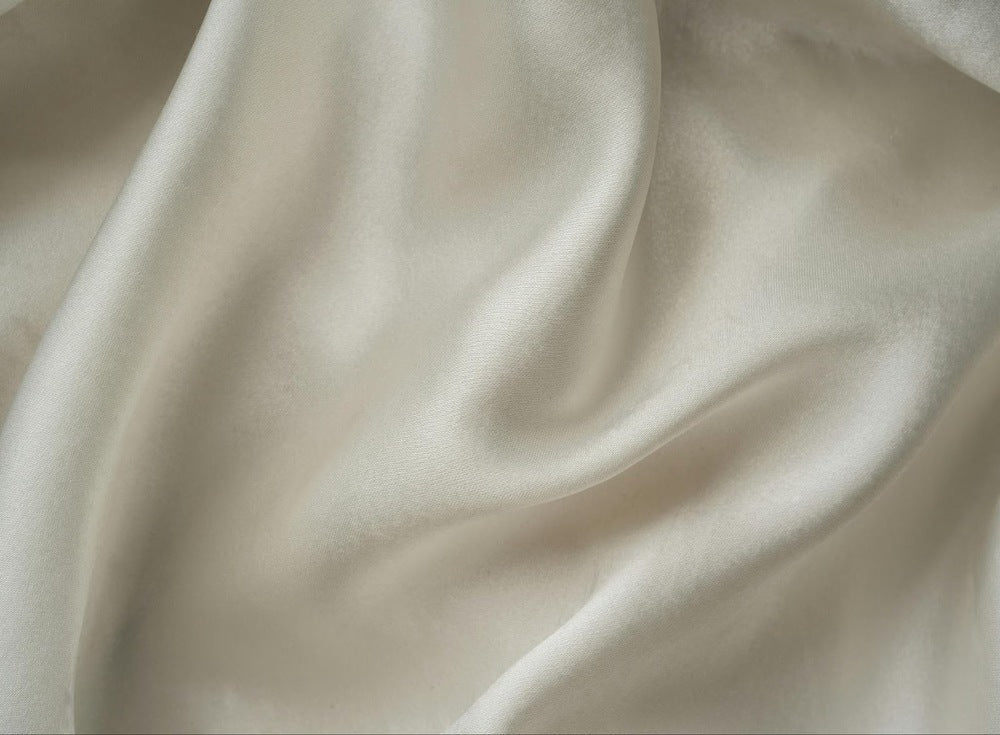
Silk chiffon is a fabric that moves like air. Made from 100% silk fibres, it carries all the natural benefits of silk while expressing them through an ultra-lightweight, transparent structure. It has been a staple of high fashion for decades, favoured for its dreamy, fluid quality that few other fabrics can replicate.
Fabric Texture
If you've ever seen a bridal veil catch the light or a layered evening gown billow as someone walks, there's a good chance silk chiffon was responsible for that effect. Its combination of delicacy and movement makes it one of the most expressive fabrics in a designer's toolkit.
In terms of weight, silk chiffon typically falls between 6 and 8 mommes. This places it firmly at the lighter end of the silk weight spectrum, contributing to its characteristic near-weightless feel against the skin.

Silk chiffon is lightweight and translucent.
Benefits of Silk Chiffon
Silk chiffon brings a set of properties that are genuinely hard to match with synthetic alternatives:
-
Sheer, translucent appearance: Light passes through the fabric, creating a soft, translucent effect even in darker colours.
-
Natural breathability: Silk fibres and the open weave structure allow air to circulate freely, keeping the wearer cool.
-
Moisture absorption: Silk chiffon wicks moisture away from the skin, reducing stuffiness in warm conditions.
-
Luxurious softness: Despite its delicate texture, mulberry silk chiffon feels incredibly smooth and comfortable against bare skin.
Use Cases of Silk Chiffon
Silk chiffon is the fabric of choice when a design calls for movement, layering, or a soft, romantic aesthetic. It's most commonly found in wedding dresses and bridal veils, evening gowns, overlay skirts, blouses, and flowing scarves. Its transparency also makes it ideal as a layering fabric, adding dimension and depth to a piece without adding bulk or weight.
What is Silk Satin?
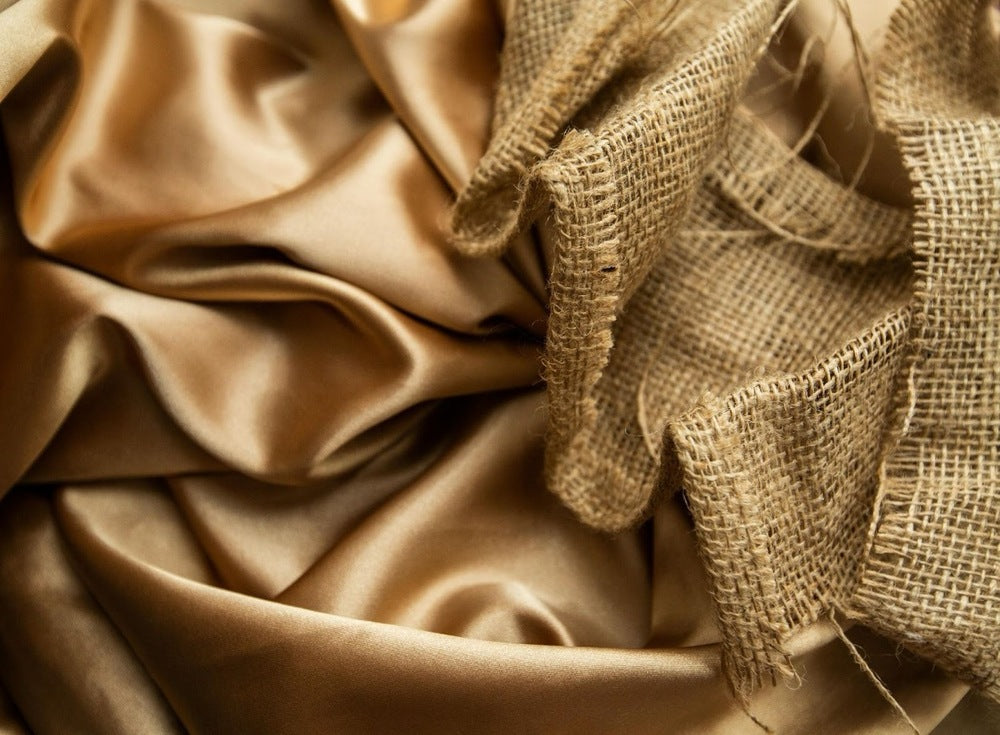
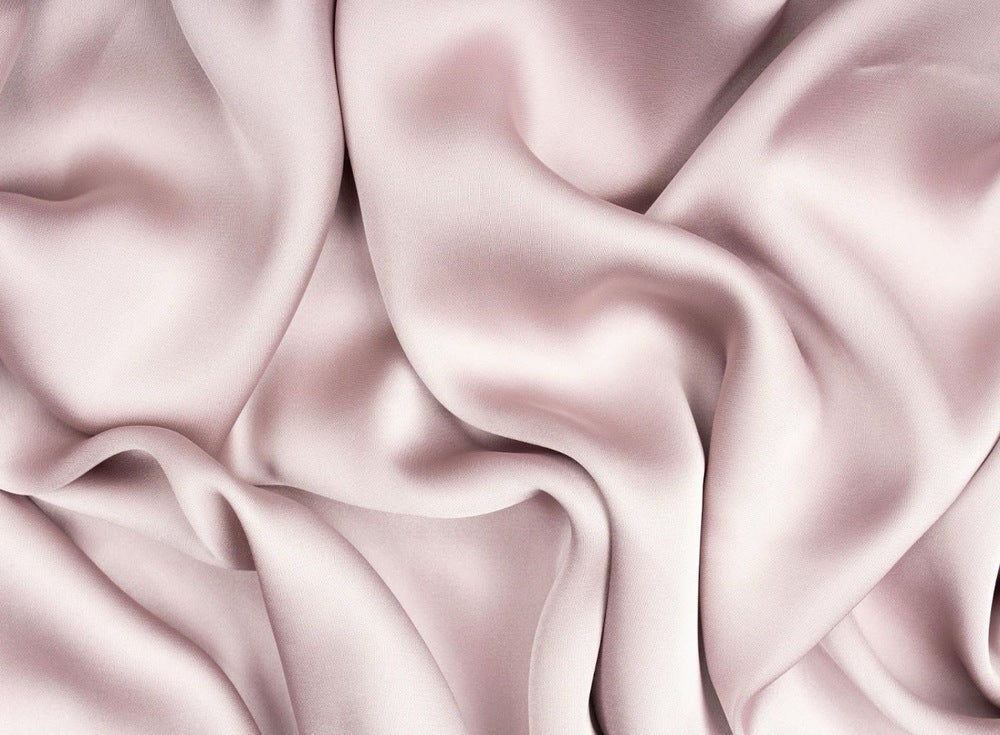
Silk satin is what most people picture when they imagine luxury fabric: that smooth, glossy surface that catches light and drapes elegantly over the body. It's the fabric of choice for red carpet gowns, high-end lingerie, and premium bedding. But understanding what makes silk satin truly special requires understanding what satin actually is.
Satin is a Weave, Not a Raw Material
This is where a lot of confusion starts. Satin is a weave technique, not a fibre. There are three fundamental weave structures in textile production: plain weave, twill weave, and satin weave. Satin is one of those three.
The satin weave works by floating warp threads over multiple weft threads before interlacing, which minimises the number of thread crossings on the surface, and fewer crossings mean a smoother, more reflective face fabric.

Satin is not always made of silk.
Silk was historically the first fibre used to create satin weaves, which is why the two names became so closely associated. However, satin can also be woven from polyester, acetate, cotton, and wool. When you see a fabric labelled simply as "satin" at a lower price point, it's almost certainly polyester, not silk.
True silk satin uses genuine mulberry silk threads woven in this structure, resulting in a fabric that is far superior in feel, breathability, and longevity.
Benefits of Silk Satin
The satin weave applied to silk fibres produces a distinct set of advantages that set it apart from other silk fabric types:
-
High-gloss, lustrous finish: The smooth surface reflects light evenly, giving silk satin its signature sheen and opulent appearance.
-
Buttery smooth texture: With minimal thread crossings on the surface, silk satin feels exceptionally sleek and soft against the skin.
-
Natural temperature regulation: Like all silk fabrics, silk satin keeps you cool in summer and warm in winter.
-
Durability relative to weight: Silk satin is generally heavier and more substantial than silk chiffon.
Use Cases of Silk Satin
Silk satin is the go-to fabric for designs that prioritise elegance, structure, and visual impact. It's widely used in eveningwear, bridal gowns, lingerie, blouses, and luxury sleepwear. Beyond fashion, silk satin is a premium choice for pillowcases and bedding, where its smooth surface is prized for being gentle on both hair and skin.
Silk Chiffon vs Silk Satin: Comparison Table
|
Feature |
Silk Chiffon |
Silk Satin |
|
Fabric Type |
Plain weave with twisted yarns |
Satin weave structure |
|
Appearance |
Sheer, translucent, soft transparency |
Glossy, lustrous, opulent sheen |
|
Texture |
Slightly textured, delicate |
Smooth, sleek, buttery |
|
Weight (Momme) |
6 – 8 momme |
12 – 30+ momme |
|
Drape |
Fluid, floating, airy |
Structured, elegant, form-following |
|
Breathability |
Very high |
High |
|
Best For |
Layering, overlays, scarves, bridal veils |
Eveningwear, lingerie, bedding, blouses |
|
Durability |
Delicate, requires careful handling |
More substantial and resilient |
Choose Premium Mulberry Silk Items from Mayfairsilk

All items available at Mayfairsilk are made of Grade 6A Mulberry silk.
Both silk chiffon and silk satin reward you when the fibre behind them is genuinely good. That means mulberry silk, proper momme weight, and a weave built to last, not a polyester imitation wearing a luxury label.
At Mayfairsilk, we use Grade 6A mulberry silk across every product we make. Browse our pillowcases, bedding sets, and accessories, and feel the difference that real silk makes from the very first use.
Experience the luxury of Mayfairsilk today.
Frequently Asked Questions (FAQs)
Is silk chiffon 100% silk?
Silk chiffon can be 100% silk, but not all chiffon is. The term "chiffon" refers to a specific fabric construction (a plain weave made with highly twisted crepe yarns), not the fibre content.
True silk chiffon is made entirely from silk fibres, most commonly mulberry silk, which gives it its naturally soft texture, breathability, and luxurious drape.
Is silk satin real silk?
Yes, silk satin is real silk, but the name can be misleading if you don't know what satin means. Satin refers to a weaving technique, not a fibre. Silk satin specifically means that genuine silk fibres have been woven using the satin weave structure, which is what creates that characteristic smooth, glossy surface. The silk content is what makes it authentic.
The confusion arises because the word "satin" is used broadly across the textile industry for fabrics made from polyester, acetate, and other synthetic fibres woven in the same pattern. Always look for a label that explicitly states 100% silk to ensure you're getting the real thing.
What is silk satin commonly used for?
Silk satin is one of the most versatile luxury fabrics in both fashion and home textiles. In clothing, it's most commonly used for evening gowns, bridal dresses, blouses, lingerie, and luxury sleepwear.
Its smooth surface and elegant drape also make it a preferred material for high-end accessories like hair wraps and eye masks. In the home, silk satin pillowcases and bedding are widely valued for their gentle effect on skin and hair during sleep.
Does silk chiffon wrinkle easily?
Silk chiffon is moderately prone to wrinkling due to its delicate, lightweight structure. However, because the fabric is so fine and fluid, wrinkles tend to fall out naturally when the piece is hung up, especially with movement. It doesn't hold creases the way heavier, structured fabrics do.
That said, silk chiffon should never be wrung out or roughly handled, as this can damage the fine fibres. For stubborn wrinkles, use a cool iron or a handheld steamer held at a distance. Never apply direct high heat.
What type of silk does Mayfairsilk use?
Mayfairsilk uses premium Grade 6A mulberry silk, the highest quality classification available in the silk industry. Mulberry silk comes from silkworms that are exclusively fed mulberry leaves, producing longer, more uniform, and stronger silk filaments compared to other silk varieties. Grade 6A represents the top tier of this already superior material, with the finest and most consistent fibres.
*Note: The prices and product listings mentioned above are approximate and may vary over time or by location. Actual costs can differ based on pricing policies, provider experience, and market conditions.

Leave a comment
This site is protected by hCaptcha and the hCaptcha Privacy Policy and Terms of Service apply.